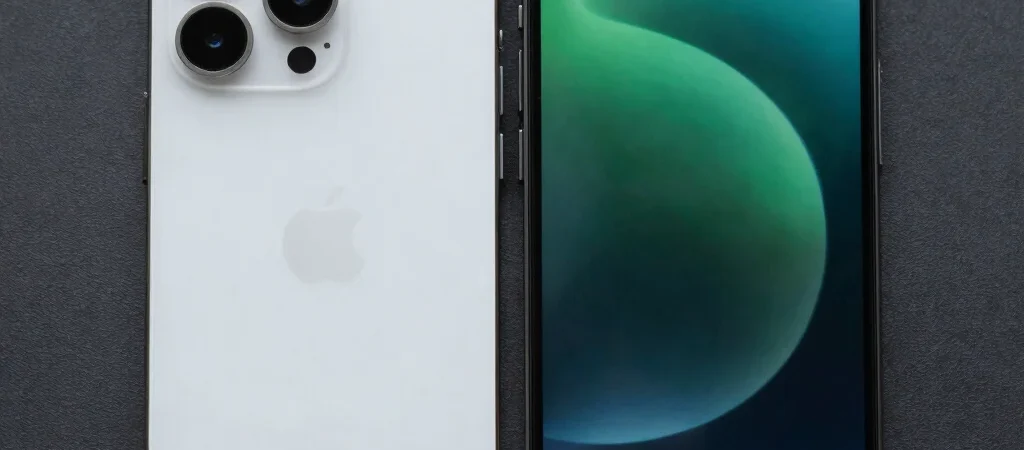
Your current phone still takes a decent photo, but the battery is nearly spent by dinner and maps feel sluggish. That’s a better reason to shop than a new model number on a box. Start with the frustrations you notice in a normal week, then compare phones on those points.
Name the daily pain point
If you often run out of space, compare storage options and how much room your photos and apps already use. If you take pictures of moving kids, pets, or evening street scenes, look beyond the headline camera resolution: stabilization, focusing behavior, and low-light features can matter more in practice. A larger screen may help with reading, but it can also make one-handed use less comfortable.
Compare the costs beyond price
Check whether the phone includes a charger, whether your case will fit the new dimensions, and whether your carrier supports the model and its bands. Also look up the manufacturer’s stated software-support policy; a phone you plan to keep for years should have a clear update path. If you use a smartwatch or earbuds, confirm they’ll pair and retain the features you rely on.
Make the trade-off visible
A comparison is more useful when it puts two or three candidates beside your current phone on battery, size, camera features, storage, and support—not when it repeats every spec on the product page. Decide which improvement would change your routine and which compromise you can live with. Some links on this site may be affiliate links, which means we may earn a commission if you buy through them, at no extra cost to you.