
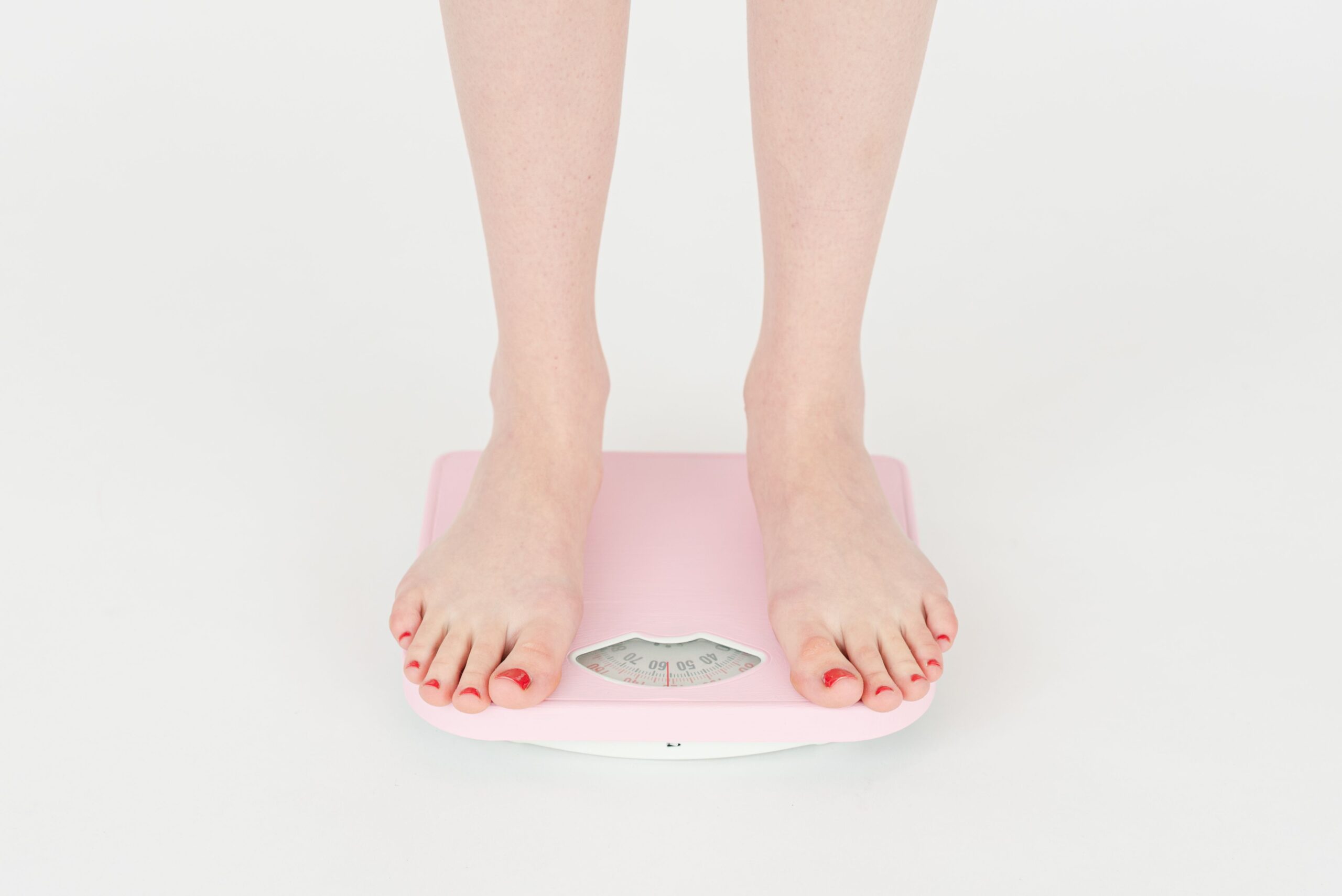
Losing weight is one of the most common health goals, but with so much conflicting advice online, it can be difficult to know where to start. The good news is that healthy weight loss doesn’t require extreme diets or exhausting workout routines. Instead, it comes down to building sustainable habits that support your overall well-being.
In this guide, you’ll learn practical, science-based strategies to help you lose weight safely and maintain your results for the long term.
What Is Healthy Weight Loss?
Healthy weight loss means reducing body fat gradually while preserving muscle mass and supporting your overall health. Most health experts recommend losing 1–2 pounds (0.5–1 kg) per week, which is considered a safe and sustainable rate.
Rapid weight loss may seem appealing, but it often leads to muscle loss, nutritional deficiencies, and weight regain.
1. Eat a Balanced Diet
Your diet has the biggest impact on weight loss. Focus on eating nutrient-rich foods that keep you full and energized.
Include More:
- Lean proteins (chicken, turkey, fish, eggs, tofu)
- Vegetables and leafy greens
- Fresh fruits
- Whole grains
- Healthy fats like avocado, nuts, seeds, and olive oil
Limit:
- Sugary drinks
- Processed snacks
- Fast food
- Refined carbohydrates
- Excess sweets
Eating balanced meals helps control hunger and reduces unnecessary snacking.

2. Create a Calorie Deficit
Weight loss happens when you burn more calories than you consume.
This is known as a calorie deficit.
You don’t need to starve yourself. Even reducing your daily calorie intake by 300–500 calories while staying active can produce steady results.
Tracking your meals with a nutrition app can help you stay aware of your calorie intake.
3. Increase Your Protein Intake
Protein is one of the most effective nutrients for weight loss because it:
- Keeps you full longer
- Reduces cravings
- Preserves muscle during weight loss
- Boosts metabolism slightly
Good protein sources include:
- Chicken breast
- Fish
- Eggs
- Greek yogurt
- Cottage cheese
- Lentils
- Beans
- Tofu
Aim to include protein with every meal.
4. Stay Physically Active
Exercise complements a healthy diet and improves overall fitness.
Best exercises for weight loss include:
- Walking
- Running
- Cycling
- Swimming
- Strength training
- HIIT (High-Intensity Interval Training)
Even a 30-minute walk most days of the week can make a noticeable difference.
5. Drink More Water
Water plays an important role in weight management.
Benefits include:
- Reducing hunger
- Preventing dehydration
- Supporting digestion
- Replacing sugary beverages
Many people mistake thirst for hunger.
Aim for 8–10 glasses of water daily, or more if you’re physically active.
6. Get Enough Sleep
Poor sleep can interfere with hormones that regulate hunger.
Adults should aim for 7–9 hours of quality sleep each night.
Better sleep helps:
- Reduce cravings
- Improve energy
- Support metabolism
- Increase motivation to exercise
7. Manage Stress
Chronic stress increases cortisol, a hormone that may contribute to overeating and weight gain.
Healthy ways to reduce stress include:
- Meditation
- Deep breathing
- Walking outdoors
- Reading
- Yoga
- Spending time with family and friends
Managing stress supports both mental and physical health.
8. Avoid Crash Diets
Crash diets promise fast results but often fail over time.
These diets can:
- Slow metabolism
- Cause muscle loss
- Increase hunger
- Lead to binge eating
- Make weight regain more likely
Instead, focus on building lifelong healthy habits.
9. Track Your Progress
Monitoring your progress helps you stay motivated.
You can track:
- Body weight
- Waist measurements
- Progress photos
- Fitness performance
- Energy levels
Remember that the scale doesn’t always tell the full story. Muscle gain and water retention can affect your weight.
10. Be Consistent
Consistency matters more than perfection.
Missing one workout or enjoying an occasional treat won’t ruin your progress.
Small healthy choices made every day lead to lasting results.
Common Weight Loss Mistakes
Many people unknowingly slow their progress by:
- Skipping meals
- Drinking sugary beverages
- Eating oversized portions
- Sleeping too little
- Not eating enough protein
- Relying on diet pills
- Ignoring strength training
Avoiding these mistakes can improve your chances of long-term success.
Frequently Asked Questions
How long does healthy weight loss take?
Most people can safely lose 1–2 pounds (0.5–1 kg) per week through a balanced diet and regular exercise.
Is cardio better than weight lifting?
Both are beneficial. Cardio burns calories, while strength training helps preserve muscle and supports a healthy metabolism. Combining both often gives the best results.
Do I need to eliminate carbohydrates?
No. Whole grains, fruits, vegetables, and legumes provide valuable nutrients and fiber. The key is to limit highly processed, refined carbohydrates rather than cutting out carbs entirely.
Can I lose weight without exercising?
Yes. A calorie-controlled, nutritious diet can lead to weight loss. However, exercise provides additional health benefits, helps maintain muscle, and can make it easier to keep the weight off.
Final Thoughts
Healthy weight loss is not about finding the perfect diet—it’s about creating sustainable habits that fit your lifestyle. Eating nutritious foods, staying active, getting enough sleep, managing stress, and being consistent can help you reach your goals safely.
Remember that lasting success comes from gradual, realistic changes rather than quick fixes. Focus on progress, not perfection, and celebrate the healthy habits you build along the way.